- October 15, 2026
- By: admin
- in: Uncategorized
Today’s farming changes fast. How earth gets ready matters deeply for how well crops grow. Seeds sprout better when ground conditions support them, roots spread more fully under proper care. Machines now do what hands once did, shifting old routines into faster rhythms. These tools shape dirt wisely, lifting results without extra effort. Progress shows in harvests, not just speed. Outcomes link closely to early groundwork choices.
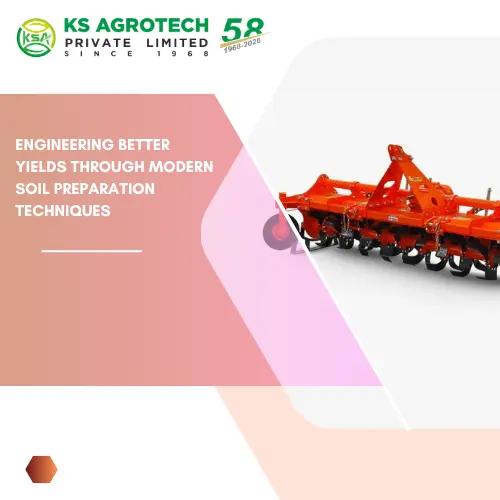
One innovation stands out – tools such as the Rotary Tiller and Rotavator now play a central role in farming where improved harvests depend on careful soil care. Despite varying methods, many growers rely on them to prepare ground efficiently before planting begins.
Beneath every productive field lies groundwork done well. When earth receives careful treatment, air moves more freely within it, water stays longer, roots access nourishment evenly. Weeds diminish where tillage occurs, compacted zones fracture under mechanical effort. Growth gains advantage when planting begins in loosened, cleared ground.
When soil needs preparation, rotary tillers often become useful tools. Their function emerges clearly during field work where breaking up earth matters most. One effect includes blending crop remains into ground layers below the surface. As texture changes, space forms for roots to extend without resistance. With consistency in operation, nutrients distribute more evenly across treated areas. Results appear later when new plants begin emerging from prepared beds. Understanding Rotary Tiller uses in agriculture helps farmers improve soil conditions effectively.
With modern machines, preparing soil takes less effort today. A tool like the Rotary Tiller machine works by turning and blending earth in uniform layers. This process lowers dependence on hand work while shortening task duration. Efficiency improves when mechanical force replaces physical strain.
A typical reason behind selecting a Rotary Tiller for tractor lies in how well it works with tractors, allowing smooth function across wide areas. Attachment requires little effort, operation follows naturally – fitting conditions on modest plots just as much as vast ones.
Farmers may find clarity in how a rotary tiller functions when reviewing its Rotary Tiller daigram, since visual layout often reveals operational logic that improves both use and upkeep. Though unseen at first glance, internal relationships between parts become evident through structured illustration, which supports longer machine life due to informed decisions during operation. With awareness of component placement, adjustments are made more accurately, because spatial understanding reduces guesswork over time.
A machine known as a Rotavator often appears in fields where earth must be readied for planting. Though simple in form, it works deeply – shattering compacted chunks while weaving leftover plant matter into the ground. Its function emerges clearly during early cultivation phases, when texture and consistency demand precision. Movement of rotating blades defines its action, cutting through resistance with steady rhythm. Soil structure improves not by chance but through this repeated mechanical process. Residues once visible on the surface vanish beneath organized churn.
A decision on rotavators begins not only with price checks among farmers. Despite budget concerns holding weight, attention shifts toward how well the machine works over time. One finds value emerging through consistent results rather than initial savings alone. Long-term usefulness shapes judgment just as much as upfront expense. Efficiency enters the picture when daily demands increase. What lasts longer often matters more than what costs less at first glance.
Farmers can pick models suited to field dimensions, since options like the Rotavator 8 feet Price range differ across suppliers. Availability of a 7-foot version gives flexibility where space or soil needs shift, making Rotavator Price 7 feet an important comparison point. Pricing in areas such as Punjab reflects differences in maker reputation, machine specs, while local stock levels play a role too, which is why many compare Rotavator Price in Punjab before purchasing. Overall, understanding the Rotavator Price helps in making better investment decisions.
Despite appearances, the efficiency of soil prep machinery relies mostly on internal elements. From time to time, one specific piece – the Rotavator blade – handles most of the work breaking up earth. Without strong materials in that part, results weaken noticeably. Longevity often follows quality choices made early. Performance gains appear only when durability is built in.
For consistent performance, machines require routine care along with prompt part swaps when wear appears. Awareness of Rotavator Parts allows farmers to uphold function while reducing sudden failures at vital times. A clear picture forms when each piece is recognized before issues arise.
Modern soil preparation techniques improve crop yields reduce erosion enhance nutrient retention support sustainable farming practices increase water efficiency promote healthier root development
With modern tools, preparing land takes less time while improving seedbed quality. Because machines work deeper, roots grow stronger. Where tilling happens evenly, crops emerge uniform. When residue spreads fine, germination rises. Though older methods linger, new systems manage moisture better. Since fuel use drops, field passes reduce. If compaction lowers, plant access to nutrients increases. As technology advances, results stay consistent across seasons
Soil gains better form when machinery loosens tight layers. Air moves more freely through the ground after treatment. Roots extend deeper where compaction once blocked them.
Speed matters when covering broad spaces – machines outpace hand tools by far. One finds fewer delays where automation takes over routine tasks. Through consistent operation, hours add up without fatigue setting in. Results emerge faster yet remain steady across wide zones. Fewer pauses mean progress continues almost without interruption.
A level planting surface begins with even soil texture. This supports steady emergence across fields. Uniformity follows from careful tillage practices earlier. Crop performance ties closely to initial ground conditions prepared well ahead.
Fewer workers required means lower payroll expenses. Staffing demands shrink when tasks rely less on people. Operating with limited personnel cuts recurring wage payments. Less human involvement leads to reduced salary outlays. Expenses decline where hands-on work is no longer essential.
A grasp of different Rotary Tiller uses enables improved field outcomes through targeted usage. While functionality varies, proper knowledge supports efficiency across tasks. Each operation gains precision when methods align with purpose. Where conditions change, adapted techniques maintain effectiveness. With experience, adjustments follow observed patterns in soil response.
Depending on field dimensions, earth composition, and what is being grown, choosing suitable ground-working tools varies. Thoughtful assessment of specific conditions typically precedes any purchase decision by those managing farmland.
When reviewing possibilities, weighing expense against output matters greatly. Because functionality paired with price clarity helps agricultural workers gain stronger returns. Machines built to last, operate smoothly, and simplify tasks tend to serve needs more fully over time.
Farming tomorrow depends on methods that are both intelligent and kind to nature. As innovation moves forward, tools for readying land shift toward better performance, lower environmental impact, one step at a time. Yet simplicity in design begins to matter just as much.
Future gains in output may come from tools like exact planting methods and self-operating equipment. Early users among growers might see stronger harvests alongside improved returns. While some hesitate, others move ahead – shaping outcomes before trends settle.
Better harvests begin through correct ground readiness. Using tools such as the Rotary Tiller, farming shifts – efforts become quicker because precision rises. The Rotavator changes field work since outcomes improve when time reduces. Efficiency grows where method meets machine. Productivity follows once preparation turns consistent.
Understanding how these machines work, what they include, their costs, helps shape better choices on farms. When equipment fits actual needs, results often show in stronger soil and more crops over time. Selecting proper methods for preparing land does not only raise output – long-term success grows from such steps. Thoughtful selection today supports both environmental balance and financial return tomorrow. Decisions rooted in knowledge tend to last longer under changing field conditions. What matters now shapes outcomes well beyond the next harvest cycle.