- October 15, 2026
- By: admin
- in: Uncategorized
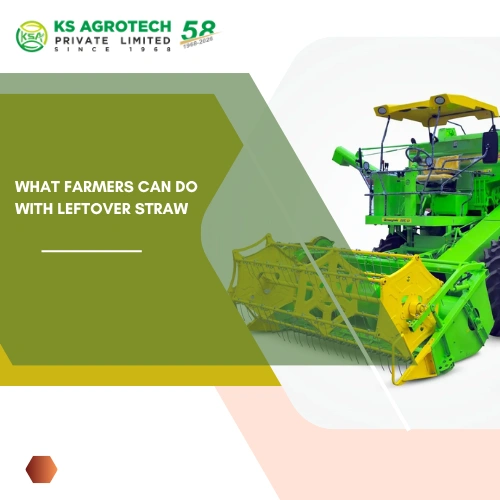
When you have harvested a crop, there is usually lots of straw left in the field. It may seem like a waste, but it can still serve a purpose. How you treat it can have a major impact on your next crop, the condition of your field, and the hassle of working on the farm on a daily basis. Looking at simple solutions to gathering, storing, and recycling straw rather than spreading it out in the field may be what you need.
There are several uses for straw once it has been harvested. You could also choose to store the straw for animal bedding, composting, or other farm use. If there is a demand for it locally, some farmers will also sell the straw.
However, it is always worth considering the quality and quantity of the straw when it is collected.
Clean, well-collected straw can be easier to store and use than straw that has been left exposed in the field.
Gathering up loose straw by hand can be very time-consuming, especially over a large area. A machine can simultaneously cut and gather residue during the process of getting the ground ready for the next stage in the production. A suitable Straw Reaper can help to make this task easier by assisting with the gathering of the material in an efficient and orderly fashion. This can cut down on the time taken and the amount of loose residue left in the field after harvesting.
Dry straw can be used effectively for bedding for farm animals. It can create a soft layer in animal housing and make floors more comfortable. Before using straw like this, ensure it is clean and dry and free from any undesirable materials.
Often replacing used bedding is another way of maintaining clean animal areas.
Storage is crucial because wet straw can be difficult to deal with.
Straw may also form part of a valuable compost if it is managed correctly. Straw includes organic material that may be converted back into plant food. You could mix the appropriate straw with compost materials and allow it to rot down.
The process takes a long time and requires a moisture level and other composting conditions to be right.
Composting gives you the opportunity to use crop residues more efficiently than by leaving them in the field.
Excess debris can have a lot of effects on your subsequent field operation. Excess straw may cause excessive wear and tear on equipment or make land preparation more laborious. Destroying or controlling excess material will give you better conditions for the next crop. When comparing equipment for the task, concentrate on working efficiency rather than on the Bhusa Machine Price.
Different farms have different needs. What suits a small field may not suit a large commercial farm. Think about your field size, tractor power, crop and residue levels.
Take into account the Reaper Price along with build quality and working performance.
Selecting equipment to suit the workload you usually undertake can save you money on unnecessary features.
The cost of buying is just one element of the total cost. Running costs can include the cost of fuel, servicing and repairs, additives, and consumption of spare parts. Try to analyse in advance the likely use of equipment, bearing in mind the amount of work to be done in one typical day. A machine that costs more initially may be more economical if it saves labour and field operation time.
Working capacity is important if your main concern is clearing the fields quickly. High-capacity equipment working wider and faster could allow you to finish the post-harvest operation before the next time the machine has to be run. Make sure your tractor can handle the capacity, and your conditions justify the output. When comparing straw reaper prices, look at working width, output, and power requirement, not at price.
The burning of crop residue can generate a number of air quality problems and impact soil condition in a negative way. Alternatives to burning include collection, composting, providing bedding for animals, or other options. Leaving crop residues in the field can also help you in preparing the field for following crops. The decision on what to do is specific to a particular crop, seasonal conditions, and the equipment available.
After the excess straw has been taken away or sorted, you can start to prepare the ground for your next crop. It is important to check the soil and to clear the field of detritus and make sure all your equipment is ready for the next task. Careful planning can prevent unnecessary delays once it is time to sow. Keeping the field clear and prepared can also make your day-to-day farm work much easier and more manageable.
If you wish to store straw for future use, its storage should be considered. Store in a dry place safe from the rain. Good ventilation can help reduce the risk of moisture formation and keep straw dry.
Never store straw directly on the ground if it is wet.
Also avoid storing straw near potential sources of fire. Small steps taken can help prevent waste.
Unused straw is not an inevitable post-harvest nuisance. It can be gathered and stored on-farm, fed to livestock, used for composting, or handled before bringing the land into cultivation for the next crop. The best method will vary according to individual farm circumstances and available machinery, but with good planning it is possible to minimise difficulties and transform a waste material into a useful resource.