- October 8, 2026
- By: admin
- in: Updates
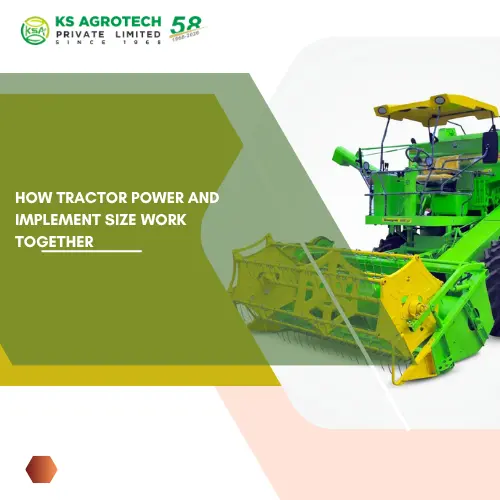
Modern farming depends on choosing machinery that works well together. A tractor may have strong engine power, but the attached implement also needs to match its capacity. If the implement is too large, the tractor may struggle during field work. If it is too small, available power may not be used efficiently. Understanding this balance can help farmers improve field performance, save fuel, and complete important farm work on time.
Tractor power affects how easily an implement can work through different soil and crop conditions. Hard soil, heavy crop residue, and deeper field operations usually require more power. A tractor with suitable horsepower can maintain a steady working speed without placing unnecessary pressure on the engine.
Farmers should also consider the type of work being carried out. Light operations may need less power, while demanding tasks can require considerably more. Choosing a tractor based only on engine size may not give the best result. Field conditions and the implement being used should also be considered.
The size of an implement directly affects the amount of work a tractor must perform. A wider implement can cover more land in one pass, but it may also require more pulling power. This makes proper matching important for both productivity and machine performance.
A super seeder with a suitable working width can help farmers cover more land efficiently. However, the tractor must have enough power and lifting capacity to handle the equipment safely. A balanced combination allows the implement to work properly while helping the tractor maintain a consistent speed.
Working width determines how much land an implement can cover during one pass. A wider machine can reduce the number of passes required across a field. This can save time and may also reduce fuel use per acre when the tractor operates efficiently.
However, wider is not always better. A large implement attached to a tractor with limited power may reduce operating speed and increase fuel consumption. Farmers should consider field size, soil type, available tractor power, and the condition of the land before selecting an appropriate working width.
Implement weight is another important factor when matching equipment. A heavier machine may provide better ground contact, but it can also place additional demands on the tractor. The tractor needs enough lifting capacity to raise and transport the implement safely.
Farmers considering the KS Super Seeder 7 Feet Weight should look beyond the weight figure alone. They should also consider tractor capacity, hydraulic performance, tyre size, field conditions, and transportation requirements. A properly balanced setup can provide better stability and smoother operation during field work.
Soil conditions can change the amount of power required during field operations. Dry and hard soil may create more resistance, while wet soil can create traction and compaction concerns. Crop residue can also affect how easily an implement moves through the field.
Before choosing equipment, farmers should assess the type of soil and the amount of residue present. A tractor that performs well under one set of conditions may need different equipment or adjustments under another. Good planning helps avoid unnecessary strain on both machines.
Using an implement that matches tractor power can improve fuel efficiency. When a tractor is overloaded, the engine may need to work harder and consume more fuel. Operating at an unsuitable speed can also reduce efficiency and increase operating costs.
A properly matched super seeder machine allows the tractor to work within a practical power range. This can help maintain a steady speed and reduce unnecessary engine load. Farmers can then complete more field work without using excessive fuel or placing avoidable stress on the tractor.
Engine power is not the only specification that matters. Hydraulic capacity and three-point linkage performance are also important when using larger agricultural implements. The tractor must be able to lift the machine safely and keep it stable during transport and field operation.
Farmers should check the implement’s weight and lifting requirements before connecting it to a tractor. Proper hydraulic capacity can make attachment, adjustment, and transportation easier. It also helps reduce the risk of instability when the implement is raised from the ground.
Every farm has different requirements, so there is no single combination that works for everyone. Farmers should consider the size of their fields, crop type, soil conditions, available labour, and expected annual workload.
When comparing equipment from a super seeder manufacturer in India, farmers can look at working width, weight, power requirements, construction quality, maintenance needs, and service support. These factors provide a better understanding of whether the machine is suitable for the farm rather than focusing on one specification.
A well-matched tractor and implement can improve productivity by allowing work to continue at a steady pace. If the tractor has insufficient power, the operator may need to reduce speed or make additional passes. This can increase the time required to complete the job.
Farmers searching for the best super seeder in Punjab should also consider the tractor that will operate the equipment. Local soil conditions, field sizes, crop residue, and common farming practices can all influence which combination works best.
Overloading can affect tractor performance and increase wear on important components. Continuous operation beyond the recommended capacity may place extra pressure on the engine, transmission, hydraulic system, and tyres.
Farmers should always check the manufacturer’s specifications before using an implement. Staying within recommended limits helps protect the tractor and equipment. It can also support safer operation and reduce unexpected maintenance costs during busy farming periods.
The right equipment should provide value beyond its initial purchase. Farmers should consider maintenance costs, spare parts, fuel use, service availability, and expected working life. A machine that performs reliably over several seasons can offer better value than equipment selected only because of a lower purchase price.
When comparing the best super seeder, it is useful to look at the complete cost of ownership. A reliable implement that matches the available tractor can support consistent work and reduce avoidable operating problems.
Farmers may use the same tractor for several agricultural tasks throughout the year. This means the tractor should not be selected only for one implement. Its power and lifting capacity should suit the wider range of jobs expected on the farm.
For example, someone looking for the best tractor for super seeder operations should also consider whether that tractor can handle other common implements. This approach can make the tractor more useful throughout the farming season and reduce the need for additional machinery.
Correct matching also depends on operating settings. Even a well-matched tractor and implement may perform poorly if the working depth, speed, tyre pressure, or machine settings are incorrect. Farmers should follow recommended operating instructions and adjust equipment according to field conditions.
A machine from a super seeder manufacturer in Punjab may be designed with local farming conditions in mind, but proper operation remains important. Regular checks and suitable adjustments can help maintain consistent performance during different field conditions.
Farmers should take time to compare specifications before purchasing agricultural machinery. Tractor power, implement size, weight, working width, hydraulic capacity, soil conditions, and operating costs should all be considered together.
A best super seeder in India is not simply the largest or heaviest option available. The better choice is equipment that matches the tractor, suits the farm’s conditions, and can provide reliable performance throughout the working season.
Tractor power and implement size need to work together for efficient farming. The right combination can improve productivity, support fuel efficiency, reduce unnecessary machine stress, and make field operations easier. By considering power, weight, working width, soil conditions, hydraulic capacity, and long-term costs, farmers can choose equipment that fits their actual farming needs.