- October 8, 2026
- By: admin
- in: Updates
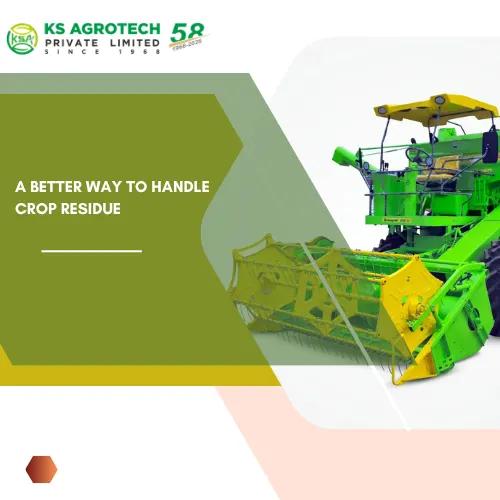
Every year, during harvest season, farmers in North India have the same dilemma about their abundant crop residue in the fields. How to utilize the straw and stubble? Burning is the most common disposal method but is very expensive in terms of air pollution and subsequent land degradation, apart from heavy penalties. This is where the right machine makes a difference.
After paddy or wheat is harvested, the fields are left with a lot of residue either standing or spread out over the entire field. The conventional practice is to set fire to this residue and clear the field for the next sowing, which is considered quick and easy. However, this practice results in the destruction of organic matter, the killing of beneficial bacteria and methane emissions that pollute the air of nearby cities. With the government imposing strict restrictions on this practice, farmers need other options to get quick, cheap and environmentally friendly results.
This is where the Super Seeder can help. Rather than taking the following crop in on the clean land, the Super Seeder puts it in the ground while it works the stubble. It chomps and lifts the stuff, mixes it with the dirt and plants seed at the right level, all in one operation. This saves time and fuel and adds organic matter back into the dirt.
Farmers who adopt this method may find improved soil moisture retention, a decrease in costs associated with fertilizer inputs and healthier subsequent crop yields. It’s a simple, easy transition from a destructive practice to a regenerative one.
One of the toughest challenges of rice growing is the stubborn, fibrous stubble that remains. Other implements clog or only chew their way slowly through long-standing crop debris, but a dedicated Paddy Stubble Super Seeder can tackle these difficult conditions with ease. If paddy is a major crop in your area, its ability to cut hard, thick stalks or residue without any risk of blockage can save you days, or even weeks, in your subsequent sowing.
With farmers handling paddy straw residues on the field itself, they can immediately go for wheat or any other rabi crop without sacrificing weeks in field preparations.
As expected, cost is always an important factor before any farmer invests in new equipment. The price of the Super Seeder is variable, depending on the working width, quality of manufacture and the implement accessories fitted. It is an investment but one that soon pays for itself by saving the separate costs of residue clearing, another pass of tillage equipment and extra fuel use.
In terms of the larger operations, the price of the 7 feet Super Seeder usually falls within a certain range that offers a decent coverage area but which is also compatible with common tractors used in India.7 feet working width tends to be appropriate. This size provides a good compromise- it covers a good area but is not so heavy or wide that it would be unsuitable for tractors with higher horsepower.
It is also important to compare the combined Super Seeder cost in India, as the rates can vary depending on the manufacturer, the local dealer margins and the government subsidy schemes that can be in place in a specific state. Several state governments currently provide subsidies on residue management equipment, which can ease the initial burden faced by farmers.
Every seeder is not the same, and a good quality machine can make all the difference in delivering consistent results year after year. That is why farmers can rely on a brand like KS Agrotech. With its tough construction and good after-sales service, KS Agrotech has a long reputation for producing reliable farm machinery. Selecting a trusted manufacturer means assured availability of spare parts and proper service.
However, crop residue does not always need to be a problem – with the right equipment, it can be used as a valuable resource for fertilization in place of burning. Moving away from stubble burning is not just a matter of compliance; it is important for the health of the soil, for better yields in the future, and for cleaner air for everyone. With more and more farmers adopting this technology, this transition to sustainable use of crop residue is becoming the new normal for agriculture in India.