- October 8, 2026
- By: admin
- in: Updates
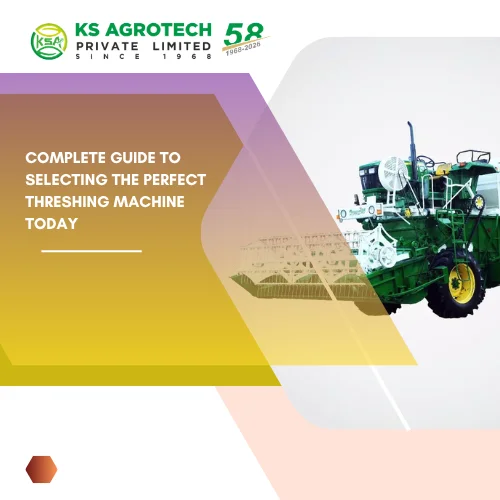
Modern agriculture depends heavily on machinery that minimizes manual effort, maximizes time savings, and increases productivity. Threshers are among the machines used in farms after harvesting the crop, as they hasten the process of separating the crop grain from the back end of the harvested crop. If you farm with multiple crop types, you may find it especially advantageous to have a mult-purpose machine.
However, before you buy a thresher, you’ll want to understand the following details about how the machine operates and what factors influence the overall cost of these machines, as well as what they can do for you.
Threshers are farm implements that help farmers process crops by separating the grain from harvested crops after harvest. Farmers have used hand-held threshers for hundreds of years, but the modern machinery allows for easier and more efficient processing.
Depending on the individual design of the machine, a grain thresher may process crops like wheat, paddy, maize, pulses, oil seeds, and others. A multi-use machine can handle several crop types over the course of the year.
This machine is designed to work by process of action whereby the operator places the harvested crop into the head of the machine.
Once the crop enters the machine, the multicrop thresher gets to work by separating the grain from the stalk, husk, and other unneeded material. The grain then travels to the cleaning and separating area of the machine for further process, and depending on the model, air flow, sieves, and other contributing elements help to clear away unwanted material for cleaner final product.
The process varies somewhat depending on the model of the machine, so be sure to consult with the manufacturer as to what types of crops it’s suitable for.
Multi cropping may work out for farmers who would like to create grain for multiple types of crops. Rather than purchasing a different machine every time you grow a new crop, you may benefit from a multi-crop machine that can serve several different functions.
It is important to compare technical specifications and operating requirements between different models, based on what your needs are, rather than basing your choice exclusively on price.
Seek models built with care and with durable parts such as the drum, frame, belts, safety shields, shafts, and bearings.
Agricultural machinery is offered at a multitude of different price ranges, depending on the options and features you select.
There is not one uniform price you should expect to see when buying these types of equipment. The following factors can influence the overall purchase price of a single machine:
Because of the wide variety of attributes that a machine can possess, it’s best to compare all options on price, feature set, and value to get the best overall fit to your needs.
Your decision to buy used or new equipment may depend on whether the new machine you’re considering offers the latest in component design, parts, and new technology, as well as warranty support and manufacturer backing.
However, used equipment can offer lower purchase prices, although you should take time to carefully examine the condition of any used piece of equipment before making the purchase.
Check bearings, belts, drums, shafts, and engines for signs of needing replacement, and ask for the history of its operation.