- September 24, 2026
- By: admin
- in: Updates
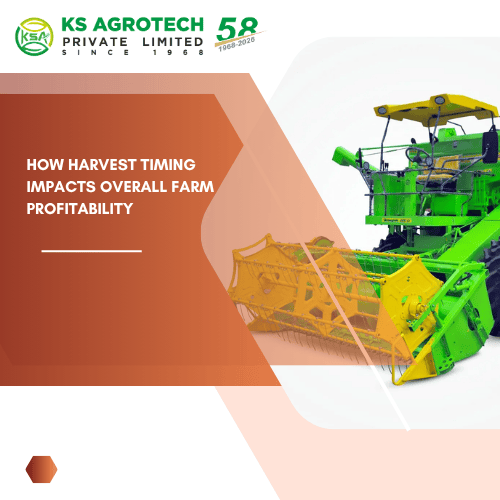
Timing of harvest is one of the most important factors in farm profitability. Harvesting at the optimum time can make a major contribution to gaining the best price for quality grain, minimizing losses, achieving efficiency in crop handling, and reducing fuel and labour costs. Delay in harvest by a few days can substantially increase the possibility of weather and lodging damage, moisture losses, and depreciation in market value.
Today, advanced harvesting machines allow farmers to carry out their harvesting process easily and more quickly. For a successful performance, choosing the most suitable machine and making a good plan for harvest matters as well. With the knowledge about the selection of the harvest time, farmers will improve the productivity without sacrificing the durability of the investment.
Each crop has its optimum stage of maturity or optimum harvest, where quality and yields are optimum. If harvested prematurely, the grain may be immature and too high in moisture. If harvested too late, shattering, lodging, insect infestations, and weather damage losses increase.
Proper harvest timing helps farmers:
By planning well, you can have the crop harvested before the weather turns bad and damages the crop.
Among the various factors that affect the harvesting dates, weather conditions play a major role. Crop harvesting is largely dependent on weather conditions. Heavy rain during harvest delays harvesting operations, increases grain moisture, and reduces field conditions for machinery.
Heavy winds may lodge the crops, so harvesting is slower with more wastage. Humidity can also affect the quality of the grain in storage.
Careful weather watch allows farmers to plan harvests better and mitigate unnecessary danger.
Moisture is a very important property as it affects storage and selling prices.
Harvesting crops at the recommended moisture level provides several advantages:
It is too long, and the quality of grain will decrease; planting too early will result in higher costs of drying after harvesting.
Farmers today can harvest and process crops much more quickly thanks to newer equipment, particularly when the weather is good.
Efficient machines provide:
Well-maintained equipment is less likely to break unexpectedly when the harvest is at its peak.
It is also going to be just as important to choose appropriate equipment of a size suitable for the farm.
Mini Harvester is recommended for the more condensed farm sizes since it is able to efficiently work within small fields without sacrificing additional costs.
If the farm is larger, then some machines must have higher outputs to harvest land of that size in a shorter target period.
Selecting the correct machinery allows for ensuring the maximum harvest time before the weather might turn bad.
The speed of harvest is not merely about doing it fast.
Machinery that maximizes efficiency at a low grain loss rate is more profitable.
Several factors influence harvesting speed:
A balance between speed and harvest quality is essential to optimize returns without incurring points.
Before purchasing or investing in a harvesting machine, various farmers compare the different types available.
Some refer to the features of a Mini Combine Harvester, noting that the machine performs the three operations of harvesting, threshing, and cleaning, and requires less labour while increasing overall field efficiency.
By comparing the specifications of the machine, the farmers can decide the most appropriate equipment for their farm.
The acquisition price is just one element of the overall cost of ownership.
Farmers should also consider:
Even a small increase in initial cost for a machine may result in a comparison of dramatically reduced operating costs over many harvest seasons.
Prior to making an investment in harvesting machinery, farmers tend to compare the price level offered by manufacturers.
Mini Harvester Price India seller provides the information to know about markets, thus helping buyers compare various market rates by examining the features, specifications, warranty, and after-sales benefits.
Efficient balancing of prices and machine quality is more economical in the long run than buying the cheapest machine.
The picking methods solve the choice of different crops.
You are recommended the Mini Paddy Harvester for rice cultivation because it is suitable for paddy fields for maximum efficiency of paddy harvesting, minimizing grain loss, increasing paddy harvesting speed, and labor saving.
Choosing machinery suited to the crop type enhances harvesting productivity.
Mega advanced machines need, in fact, attentive drivers.
Proper training helps operators:
From our experience, experienced operators produce better harvest results and less equipment wear.
Never start harvesting without a thorough inspection of the equipment.
Routine maintenance includes:
Properly maintained equipment has greater reliability and is less prone to failures during harvest time.
Effective harvesting is achieved through much more than the machinery. Planning, weather observation, crop management, operator training, equipment care, and maintenance are all factors in increasing the bottom line.
Harvest Preparation. From the beginning, farmers can diminish potential risks for each harvest and increase efficiency and outcomes year after year.
The timing of harvest affects the profitability of the farm as a whole. Proper harvest timing affects grain quality, reduces losses and operating costs, and increases market prices. Weather remains outside the producers’ hands, but with good planning and the correct use of equipment, the farmer can react quickly to the arrival of the time of the tractor.
Selecting machinery according to field needs, keeping machines well-maintained, and harvesting during the most suitable period will help to ensure higher productivity and a healthier future profitability of any farm.