- September 24, 2026
- By: admin
- in: Updates
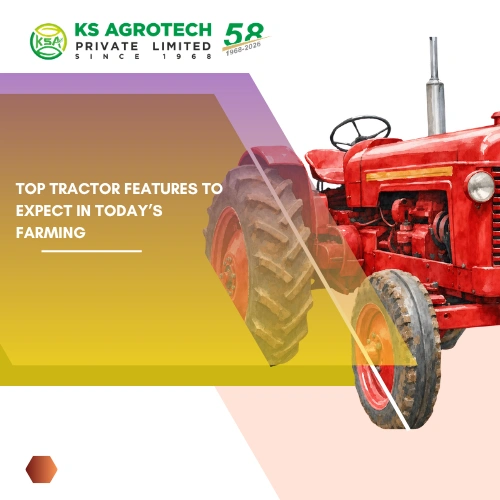
Today’s farming is growing more machinery-dependent, and tractors are a pivotal part of those operations. Tractor horsepower and size can significantly impact your time in the field, your machine operating costs, and your overall productivity, whether you’re tilling and planting, raking or baling, spreading or pulling. Selecting a tractor can be a daunting task, especially if you look at how many horsepower your operation needs, but there are some other features to look for.
When shopping for a tractor, the first consideration farmers should be thinking about is how much horsepower the machine offers. The amount of power a farmer needs is determined by the type and size of the implements that will be used. Small implements can be handled by smaller tractors, but larger farm implements will require much more power.
A well-paired tractor will perform at a certain level without overtaxing the engine or transmission. In general, consider what kind of implements you plan to buy for your tractor, and not just whether you need a big 300-horsepower model.
Hydraulics & Agriculture: Hydraulic fluid power has become a significant part of the work on a modern farm. An article from Landwirtschaftsverlag has more. The hydraulic system is an important part of work on the modern farm.
Rams and hydraulics: A tractor with high-quality hydraulics can make operating heavier implements and heavy-duty fieldwork much easier. A good hydraulic capacity also makes changing or adjusting implements much easier. When looking to buy a tractor, farmers should check the hydraulic lifting capacity of the tractor and make sure it matches their intention.
That means the power transfer throughout the tractor – the transmission, in particular – influences how well a tractor performs at various speeds in the field. The operation, the soil, and the implement may all require different speeds.
The transmission should enable working at the desired speeds and quick gear changes. With such a transmission, operators will more easily be able to maintain the right working speed without wasteful use of fuel. Transmission technology can also enable more comfortable working of repetitive tasks.
Fuel Image credits: indiatimes.com. Fuel is one of the highest running costs for farmers, especially when tractors are used for many hours in a busy season. Fuel-efficient engines can be a cost saver, without any compromise to productivity.
But besides this, farmers should compare the fuel economy of the tractor rather than the power of the engine to measure the tractor’s performance. Farm operations like regular maintenance, inflating tires to the right pressures, using compatible engine oils, and following proper operating procedures also help with fuel economy.
You aren’t buying a tractor; you’re buying a tractor to use on implements. Take into account implements such as seeders, cultivators, ploughs, rotavators, trailers, and residue-management equipment.
For instance, if you are thinking about the best tractor for super seeder, check out horsepower, hydraulic lift capacity, power take-off, traction, and how well it can handle the attachment. The tractor must offer sufficient power for continuous operation while not being under heavy engine load.
The Power Take-Off (PTO) provides the transfer of power from your engine to your agricultural implement. A PTO is essential for any equipment that requires an ongoing source of mechanical power while working.
When a PTO system is dependable, the machinery can run smoothly and predictably. Before purchasing a PTO-powered implement, farmers should verify what speeds it needs and compare that to the PTO speeds their tractor can provide.
Determine the type of field soil – from very dry and firm to wet and loose. Most of this power is used to propel the tractor, but some is lost in slipping the wheels.
Selecting the correct size and tread pattern for your tires can enhance stability and fieldwork. Be sure to consider the advantages of optimum traction, especially when operating in tougher soil conditions, as a lack of grip can lead to higher fuel consumption.
You could be sitting in your tractor for hours and hours working in the fields, so comfort is an important factor. Comfortable design that includes adjustable seat and controls, good sight lines, and less vibration will help make your time driving a tractor much easier.
A comfortable operator will also be able to run the implement in a more consistent fashion and have better control of the implement. There are many new ergonomic designs of controls and seating on modern-day tractors.
Agricultural equipment must survive extreme working conditions. A reliable tractor can give good service, especially if it is well looked after. Pay attention to key items, including the build quality of major components, the accessibility of parts, and ease of servicing.
Quick serviceability of the engine, filters, fluids, and other serviceable parts could lower tractor maintenance costs. It is also recommended to follow the service schedule as suggested by the manufacturer for long-term tractor performance.
After-sales service: There is no use in a durable tractor if you do not service or replace parts.
Consider whether authorized service centers, spare parts, and skilled technicians are available in your area.